 Criclive
Australia, Zimbabwe Open ODI Series in Harare as Marsh and Raza Lead Respective Sides
The first of three ODIs between Australia and Zimbabwe will be staged at Harare Sports Club on Tuesday, September 15, with all matches in the series scheduled for 1:00 pm IST starts. Harare will also host the second and third fixtures on September 18 and 20.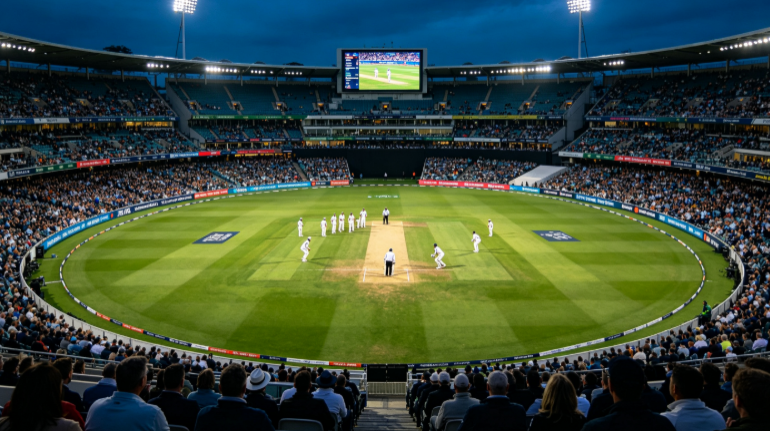
Zimbabwe have reinforced their squad with the return of Brendan Taylor and Graeme Cremer, adding experience to a group that will nonetheless be missing regular ODI captain Richard Ngarava. The seamer continues to recover from a lower-back injury, leaving Sikandar Raza to captain the side. Brian Bennett, Ben Curran and Blessing Muzarabani are among the players who will need to make significant contributions.
Australia will be led by Mitchell Marsh, the only member of the touring party to have played an ODI in Zimbabwe. The visitors’ squad contains plenty of established international talent, including Josh Hazlewood, Travis Head, Adam Zampa and Cameron Green.
Australia’s historical superiority in this ODI matchup is clear. The highest team total between the sides remains Australia’s 350/6 in Harare in 2014, while Zimbabwe’s 96 all out in Townsville in 2022 is the lowest. Adam Gilchrist’s 172 off 126 balls in Hobart in 2004 is the highest individual score, and Ryan Burl’s 5/10 in Townsville in 2022 is the best bowling return. Ricky Ponting tops the run-scoring list with 949 runs in 20 innings at 52.72; Shane Warne leads the wicket-taking chart with 21 scalps in 11 innings at 30.14.
In their most recent ODI, David Warner’s 94 from 96 balls was the lone resistance in an Australian total of 141, with Burl’s 5/10 the standout performance.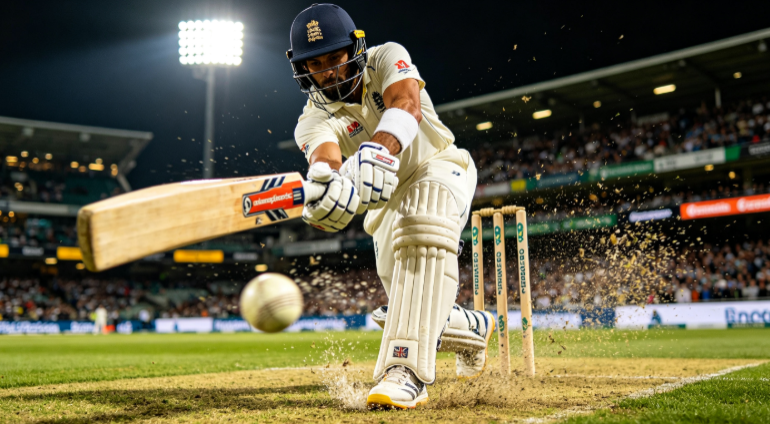
Australia’s last five ODIs have produced a W, L, L, L, W sequence, while Zimbabwe’s form line reads L, W, W, L, L. The series also comes amid Australia’s broader ODI planning, with selectors having already made long-term decisions regarding the 2027 World Cup.
For Zimbabwe, the task is to blend returning experience with the energy of their younger core. For Australia, it is about imposing their depth in conditions that have historically favoured them.